
Traffic remains a fraction of historical norms, with daily crossings hovering near 10 ships—a stark contrast to the 100-plus vessels that traversed the strait daily before the February 28 conflict. While three Saudi tankers and a French-flagged LNG carrier marked the start of the recovery on June 17, confidence among shipowners and insurers remains fragile. According to Jorge Leon of Rystad Energy, the pace of normalization depends on both the freedom of navigation and the ability of terminals to handle a sudden surge in crude loading.
In section Market Quotes
Gulf Oil Producers Pivot to Logistics After Strait of Hormuz Reopening
The Strait of Hormuz is finally seeing movement again, but the resumption of transit follows a brutal four-month closure that choked global oil supplies. As tankers tentatively return to the waterway, Gulf producers now face the grueling task of clearing massive shipping bottlenecks and restoring prewar export capacity.
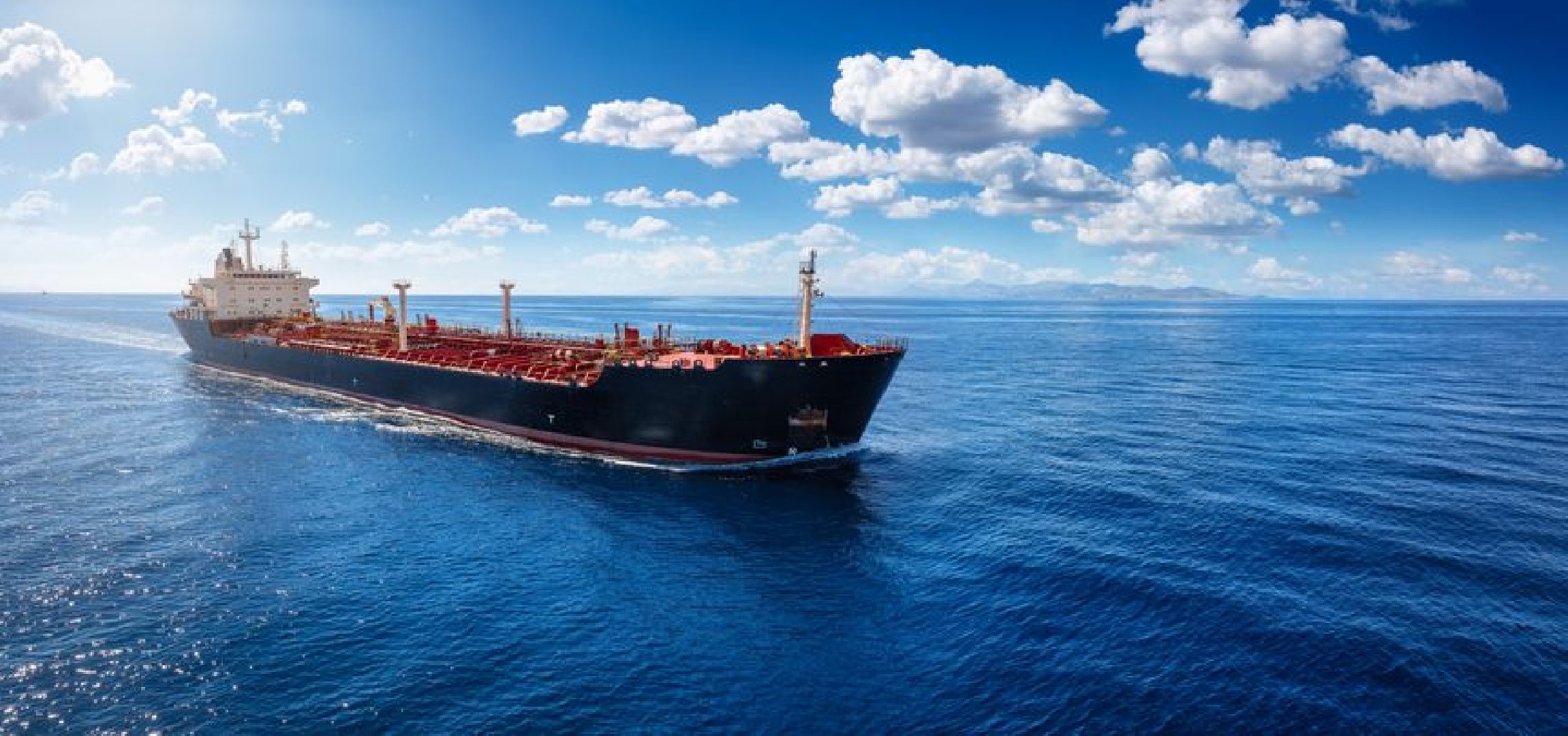
Energy security has emerged as a primary concern for the region, prompting Saudi Aramco to evaluate a significant expansion of its global storage footprint. While existing bypass routes like the U.A.E.’s pipeline to Fujairah provided a lifeline during the crisis, they failed to replace the volume capacity of the main artery. Analysts suggest that returning to full operational normalcy will take at least four to six months, forcing producers to prioritize infrastructure that shields their supply chains from future maritime disruptions.
Comments (0)
No comments yet. Be the first!