
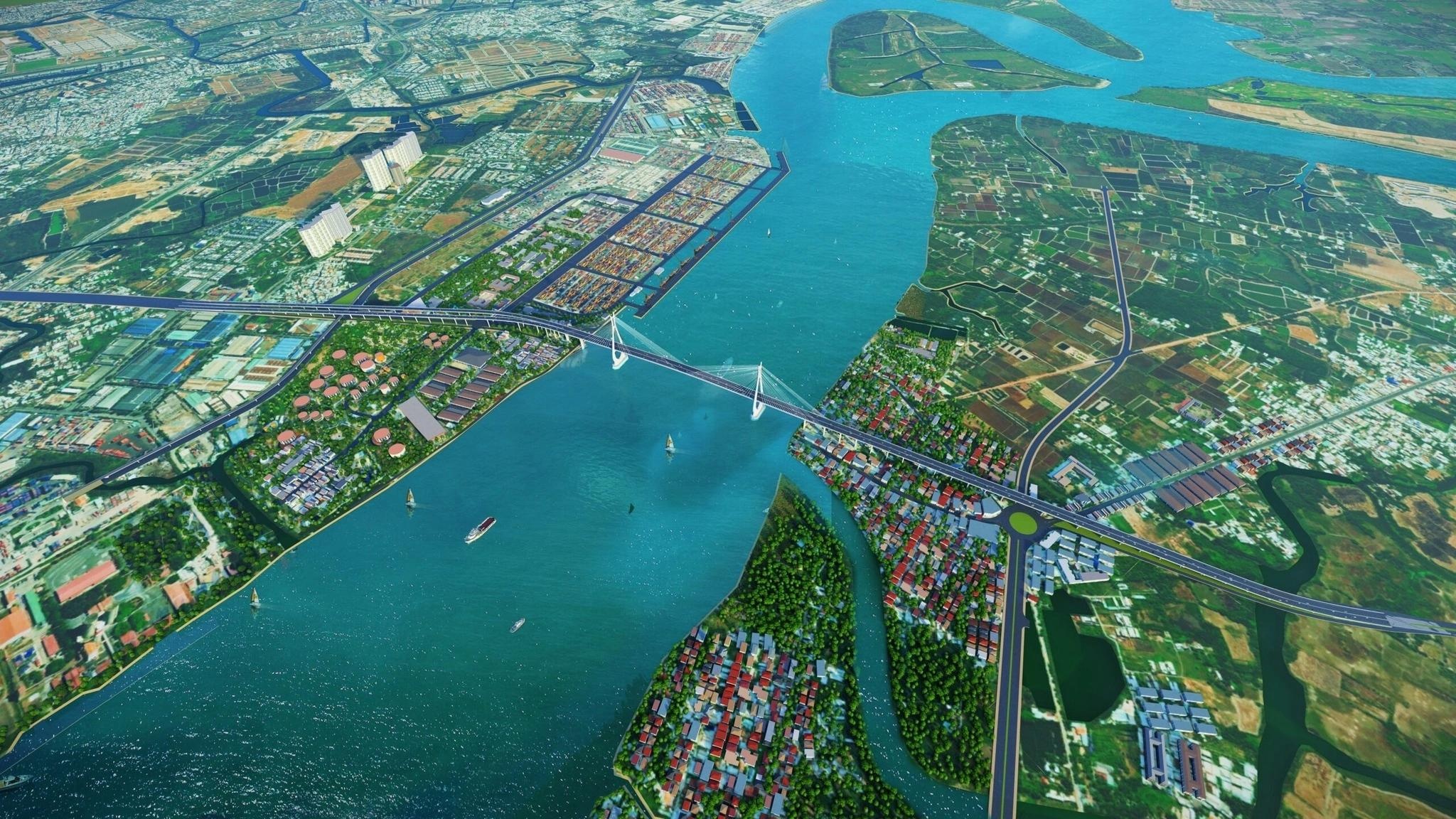
The ADB’s estimated need has more than doubled in dollar terms since its 2017 calculation. It now equals 8.7% of gross domestic product and includes a broader range of infrastructure, such as health facilities and data centers. The 11-member Association of Southeast Asian Nations needs reliable power, transport and digital networks as incomes rise and urban populations grow.
The case for resilient infrastructure has sharpened after shocks including Covid, tariffs and wars exposed the economic costs of inadequate systems. Yet elevated borrowing costs, persistent uncertainty and depleted fiscal buffers complicate efforts to close the gap, the bank said. Higher financing costs make debt-funded construction more expensive, while volatile markets make costs harder to predict.
Governments are also facing an energy shock. Fuel subsidies and other support for households compete for budget funds with longer-term needs, including responses to aging populations and climate change. Private investors, for their part, face large upfront costs and long waits for returns. Uncertainty about tariffs, demand, permits and public support can deter investment; higher interest rates also make projects compete against safer assets, the ADB said.
Comments (0)
No comments yet. Be the first!