
Europe bears the brunt of this financial pressure, with its LNG bill projected to climb by at least $12 billion—an 18% jump over prewar estimates—despite an anticipated 24 million-metric-ton drop in demand. The continent's heavy reliance on spot market purchases leaves it acutely vulnerable to price volatility compared to East Asian markets, which are seeing a more moderate cost increase of 9.7%.
In section Market Quotes
LNG Importers Face $39 Billion Surge Amid Supply Constraints
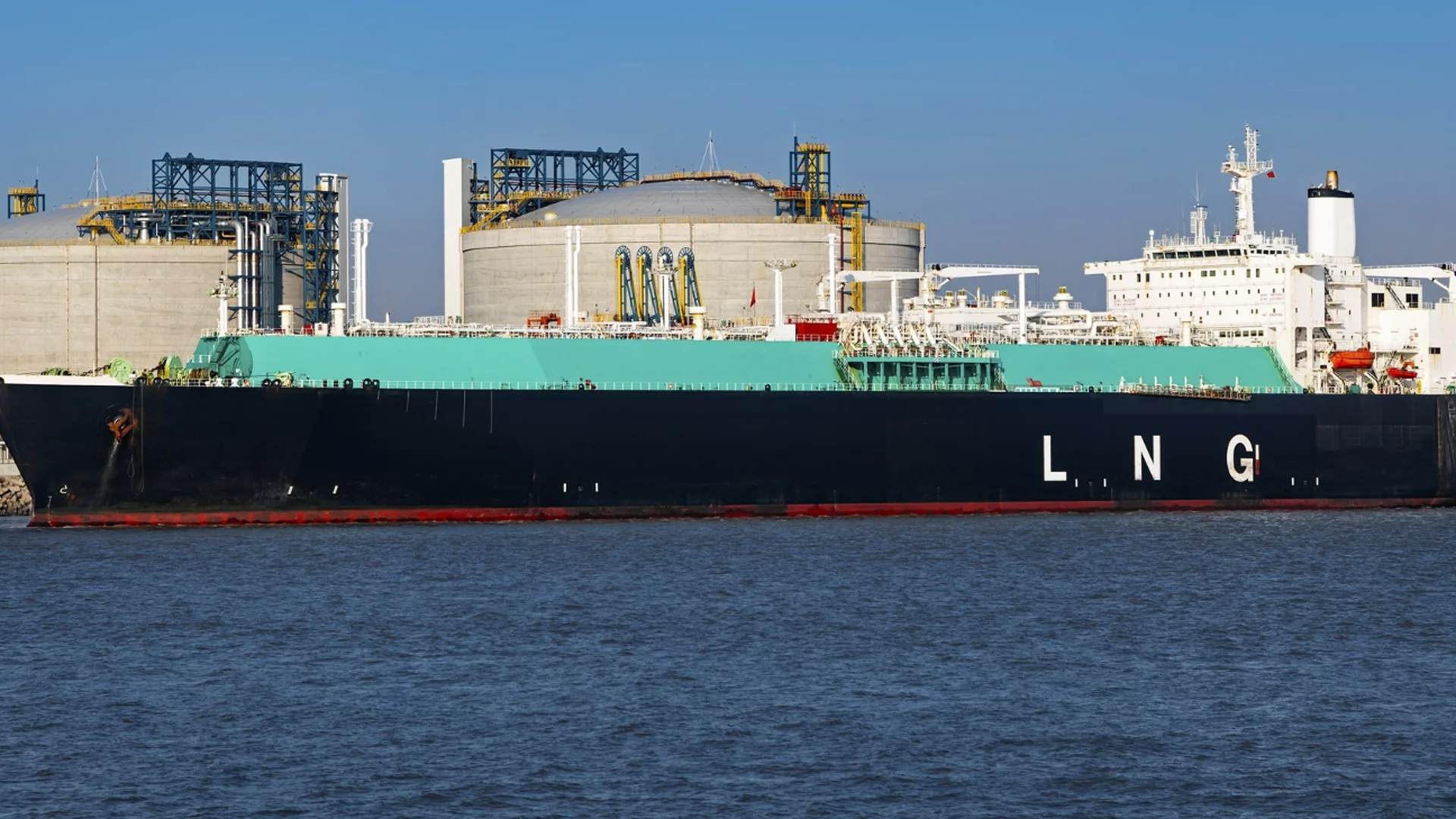
Global liquefied natural gas importers face a $39 billion increase in total procurement costs this year, even as they secure significantly lower volumes. Disruptions to Qatari and United Arab Emirates exports have forced buyers to scramble for replacement cargoes, driving global portfolio costs to an estimated $256 billion.
According to Rystad Energy, the disparity in regional impact stems from fundamental differences in contract structures. Approximately 82% of East Asia’s long-term agreements are tied to oil prices, which have remained relatively stable compared to gas-linked benchmarks. While prices under oil-indexed contracts rose about 28%, contracts tied to gas hubs and spot benchmarks surged by 72%. Europe’s average LNG price has climbed 47%, a direct result of its greater exposure to these high-priced spot markets.
Comments (0)
No comments yet. Be the first!