Far-Right Nationalist José Antonio Kast Elected President of Chile
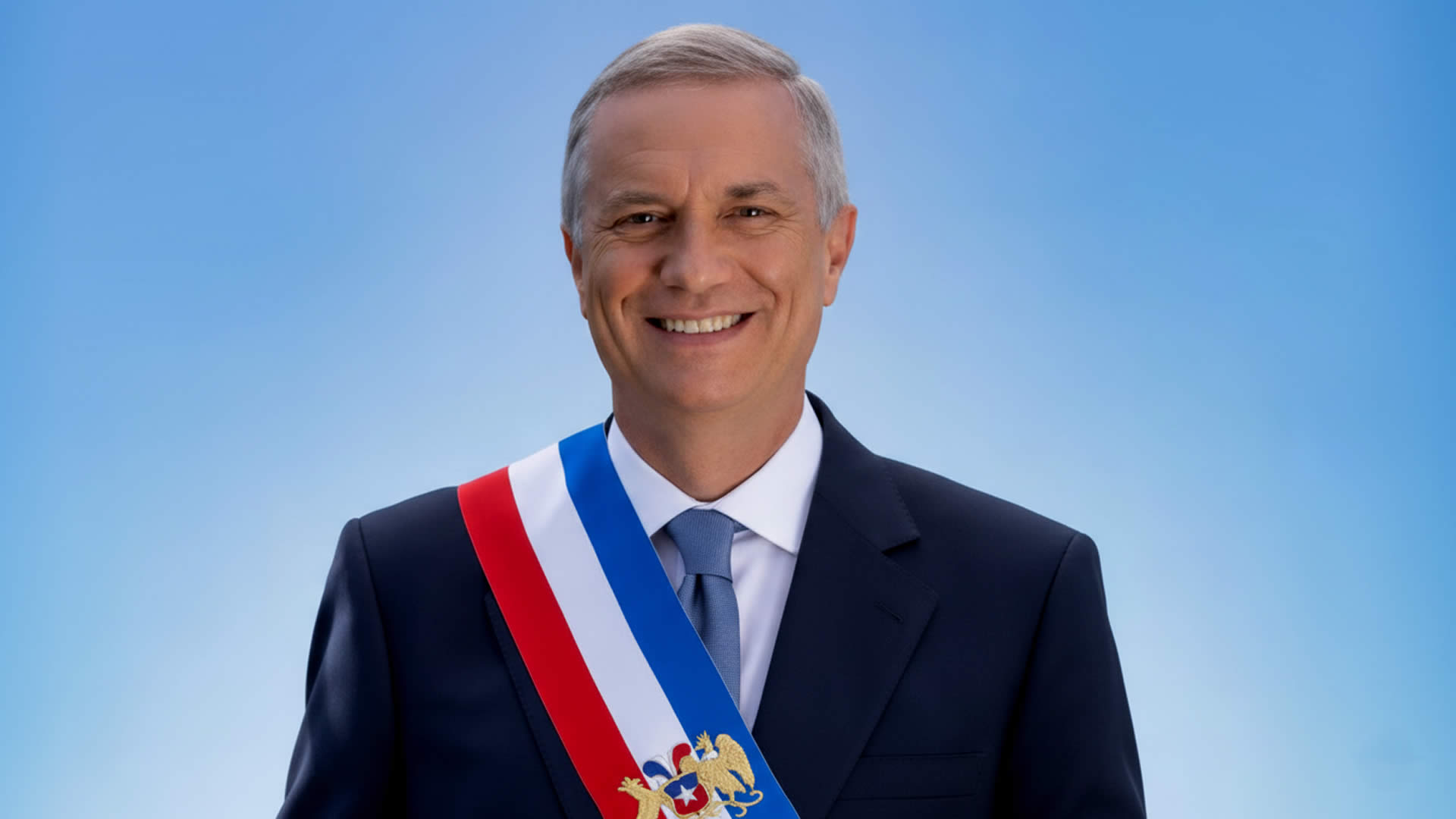
With over 58% of the vote in Sunday’s runoff, far-right former lawmaker José Antonio Kast has secured the Chilean presidency. His victory marks a striking departure for the nation, as the president-elect openly embraces the legacy of Augusto Pinochet, positioning himself as the spiritual successor to the former military dictator.
By WildWeb24·October 26, 2026·2 min read·2,552 reads
Kast’s path to power defies the democratic consensus that followed the 1990 end of Pinochet’s regime. While the dictatorship resulted in the deaths or disappearances of nearly 3,200 people and widespread torture, the incoming president remains a staunch defender of that era. He stands as the first leader since the return to democracy to have campaigned for the dictator to remain in power during the 1988 plebiscite. Critics, including human rights organizations, have long pointed to his family’s ties to the regime as evidence of a deep-seated alignment with authoritarian repression.
His governing agenda mirrors the rightward shift gaining momentum across Latin America. Kast has promised an economic overhaul centered on $21 billion in public spending cuts, characterizing the plan as a necessary shock therapy. While he insists these reductions will target political waste, officials like Social Development Minister Javiera Toro warn that such austerity will inevitably dismantle critical pension, health, and education safety nets.
Beyond economics, the president-elect has signaled an aggressive shift in domestic security. By leveraging fears over migration and crime, he has pledged to initiate mass deportations and has expressed interest in the punitive prison models utilized by El Salvador’s Nayib Bukele. Despite his vow to form an "emergency government" upon taking office in 2026, Kast faces a divided legislature. Jenny Pribble, a professor of political science at the University of Richmond, noted that while his legislative path remains uncertain, adopting a Salvadoran-style approach would represent a significant democratic backsliding for the country.

Comments (0)
No comments yet. Be the first!