
Hamilton’s directive, delivered at the National Emergency Management Association’s annual meeting, suggests that states should no longer anticipate federal support as a primary safety net. He argued that states must develop the capacity to initiate recovery efforts without waiting for the traditional federal disaster declaration process. This policy pivot aligns with President Trump’s broader efforts to trim the agency's reach, despite internal reports confirming that most state disaster offices remain underfunded and critically dependent on Washington for major recovery operations.
In section Newsroom
FEMA Chief Tells States to Prepare for Disasters Without Federal Aid
Cameron Hamilton, the administrator of the Federal Emergency Management Agency, warned state officials in Little Rock on Tuesday that they must secure independent financial reserves to manage future catastrophes, effectively signaling a shift away from federal reliance just as extreme weather patterns intensify across the country.
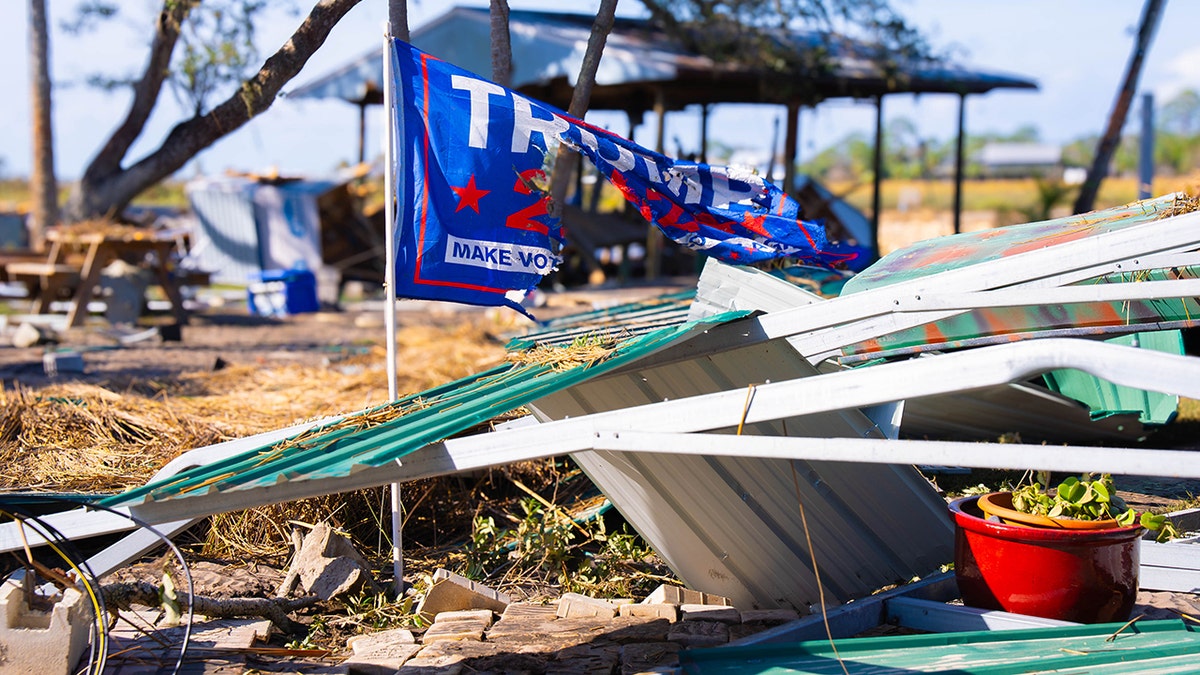
Critics have met the announcement with sharp opposition, noting that the financial burden of large-scale disasters frequently dwarfs individual state budgets. Former White House official Dan Koh described the expectation that states absorb these costs as unfeasible, citing the example of Hurricane Katrina, where damage costs reached nearly six times Louisiana's total operating budget at the time. Concerns are further compounded by investigations into the administration's patterns of aid distribution, which have historically favored states that supported the President in the 2024 election. With a significant El Niño event expected to heighten the risk of extreme weather through spring 2027, officials like California Governor Gavin Newsom have condemned the policy shift, suggesting it leaves vulnerable communities without a necessary lifeline during periods of unprecedented climate stress.
Comments (0)
No comments yet. Be the first!