
The pressure on Šefčovič is compounded by Europe’s deepening industrial anxiety, spanning sectors from pharmaceuticals to aviation. While the Commissioner recently emphasized the need for tangible outcomes, Beijing’s preemptive dismissal of voluntary export limits suggests that the current dialogue may fail to provide the relief European leaders seek. If the mission returns without concessions, the European Commission will face significant pressure to protect its market credibility.
In section EU
Maroš Šefčovič Faces High-Stakes China Trade Talks
As EU Trade Commissioner Maroš Šefčovič concludes high-level negotiations in Beijing with Commerce Minister Wang Wentao, the bloc faces a stark reality: diplomatic efforts to bridge a €359.9 billion trade deficit have stalled. With hybrid car export caps already rejected, Brussels is bracing for a potential shift toward aggressive trade defense.
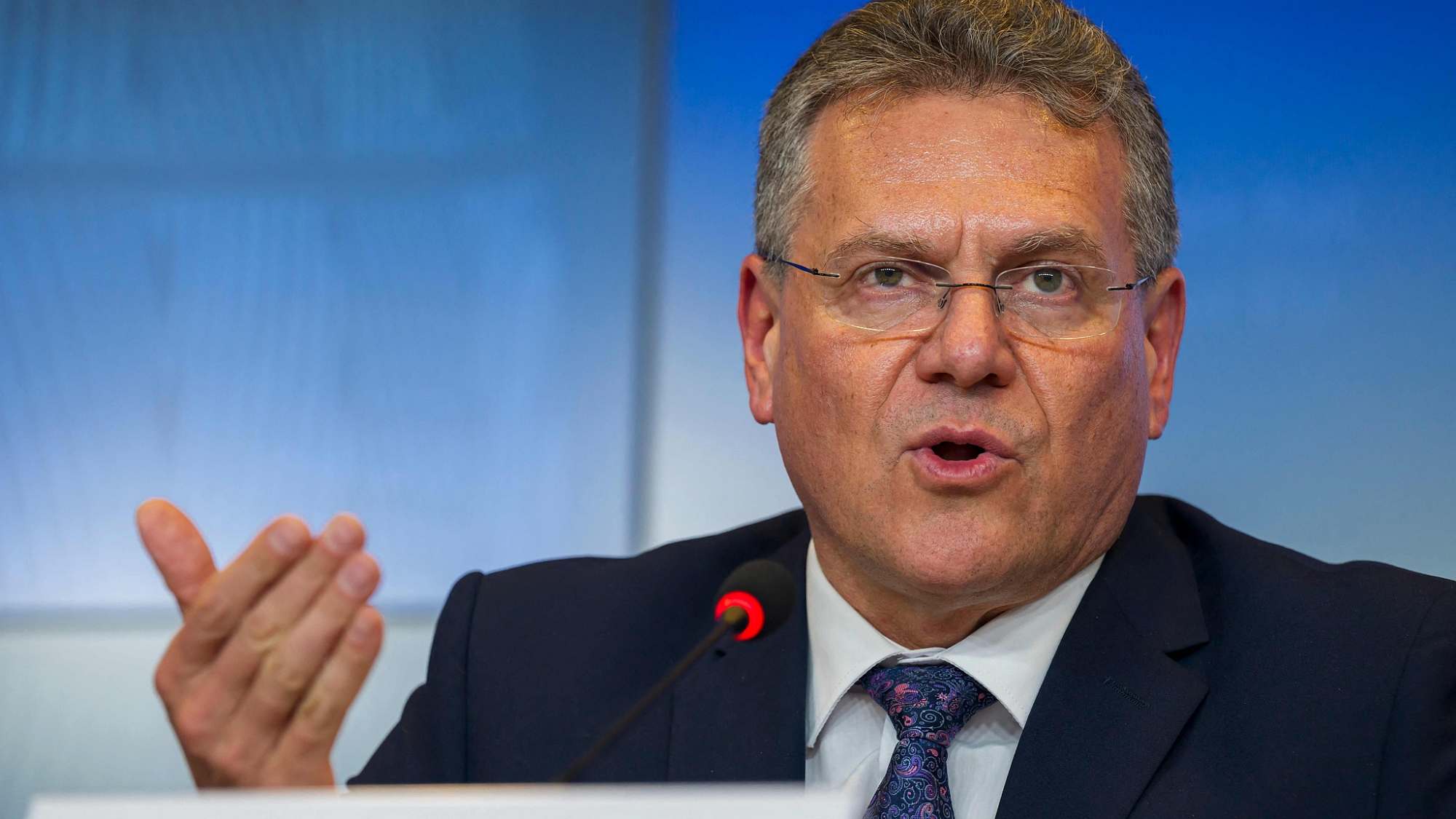
Analysts suggest the next phase will likely involve safeguard investigations into Chinese overcapacity, specifically targeting chemicals and hybrid vehicles. Such measures offer a strategic middle ground, as lengthy investigation periods allow for continued diplomatic maneuvering. A rare, unified front from France and Germany—who recently proposed a new trade defense instrument to block market-distorting third parties—signals a shift in the bloc’s tolerance for current conditions. Despite this, experts like Penny Naas of the German Marshall Fund caution that Europe lacks the critical raw material leverage held by the U.S. or China, raising urgent questions about the continent's readiness for inevitable retaliatory measures. EU leaders are expected to confront these risks directly during next week’s European Council summit.
Comments (0)
No comments yet. Be the first!