
The May 2023 floods in Emilia-Romagna, which claimed 17 lives and caused €8.5 billion in damages, served as a grim turning point. Despite recent reconstruction efforts costing billions, the city remains vulnerable. Preparing for such disasters requires more than emergency sirens; it demands systemic urban planning that incorporates green spaces, permeable surfaces, and strict environmental building codes to absorb the shocks of an unpredictable climate.
In section EU
Bologna’s blueprint for a climate-resilient European budget
When the skies open over Emilia-Romagna, the cost of inaction is measured in billions of euros and shattered lives. For Bologna, the recurring cycle of floods and heat waves has shifted climate policy from a distant environmental goal to an urgent, daily struggle for urban survival and financial stability.
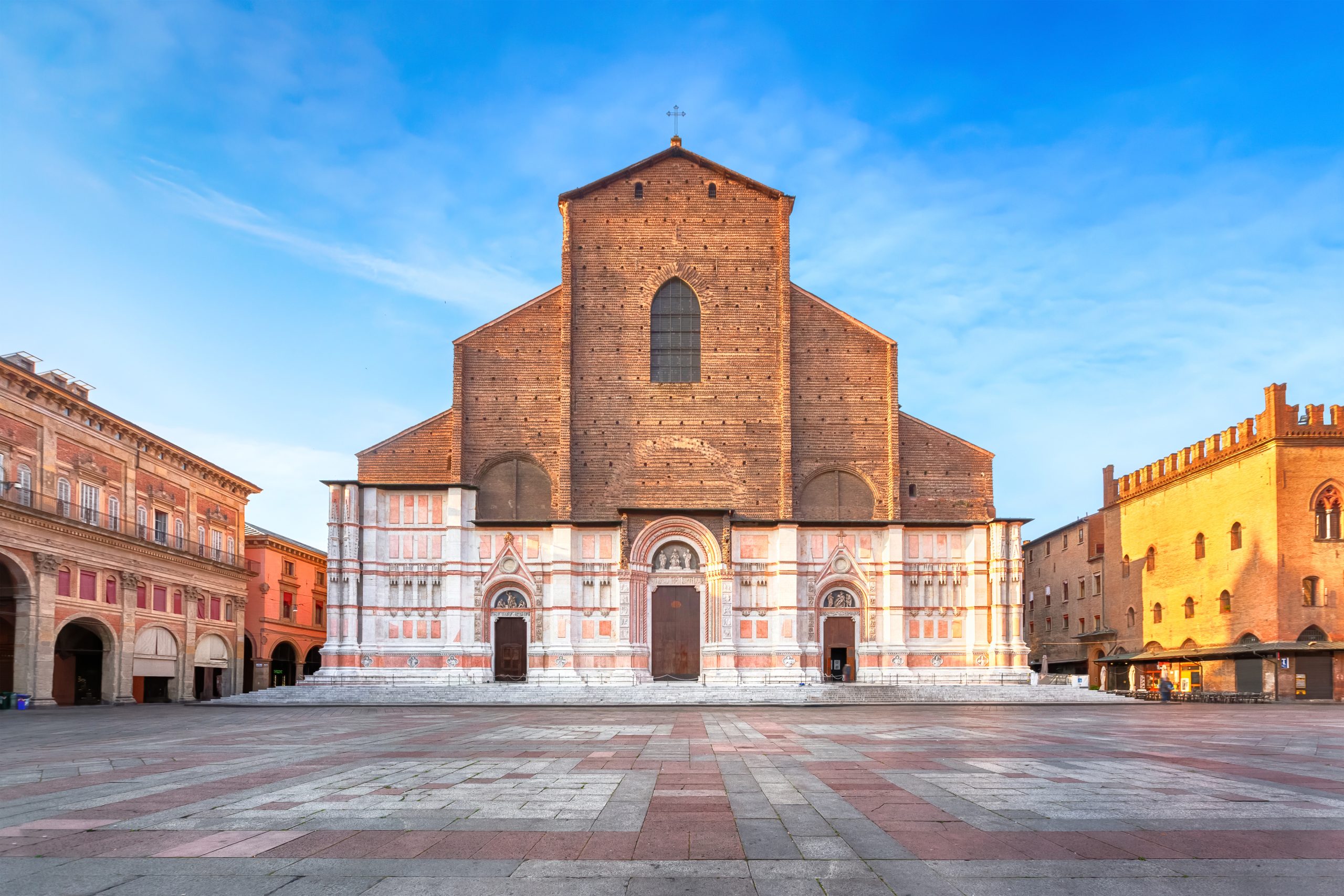
Scaling local resilience to EU policy
Bologna is not an outlier. Across Europe, cities are grappling with the reality that 78% of local administrations have early warning systems, but only 20% possess dedicated contingency funds to manage the financial fallout of climate disasters. This gap is exacerbated by "budget invisibility," where adaptation costs are fragmented across various municipal departments, making it nearly impossible to track whether investments align with actual risk levels. As the European Union negotiates its next long-term budget, the path forward must prioritize direct, flexible funding for cities. Without the ability to integrate water management, public infrastructure, and nature-based solutions into a single, cohesive financial strategy, local governments will remain trapped in a cycle of reactive spending. The upcoming IPCC report on climate change and cities will likely confirm what urban leaders already know: prevention is not merely an environmental preference, but a fundamental fiscal necessity for the continent.
Comments (0)
No comments yet. Be the first!