The Hidden $1,200 Tax: How the Iran War Hits American Wallets
Six months into the war with Iran, the average American household has effectively paid a $1,200 surcharge. This figure, calculated by Moody’s Analytics chief economist Mark Zandi, accounts for more than just direct military spending, revealing how the conflict’s ripple effects have eroded domestic purchasing power and consumer stability.
By WildWeb24·September 1, 2026·2 min read·3,126 reads
The true financial toll of the conflict remains obscured by official data. While Defense Secretary Pete Hegseth cited a $37.5 billion price tag for the war, internal Pentagon estimates reported by NBC News suggest the real burden could reach $100 billion, driven by unprecedented damage to military infrastructure. These direct costs ignore the $73 billion in supplemental defense and intelligence funding currently awaiting Senate approval.
Economic strain extends far beyond the federal budget. Sharp increases in oil and diesel prices—up by more than a dollar per gallon since hostilities began—have added an estimated $93 billion in costs to American families. This inflationary pressure has rippled into food prices and pushed the national inflation rate to 3.4%, triggering higher interest rates on mortgages and consumer credit.
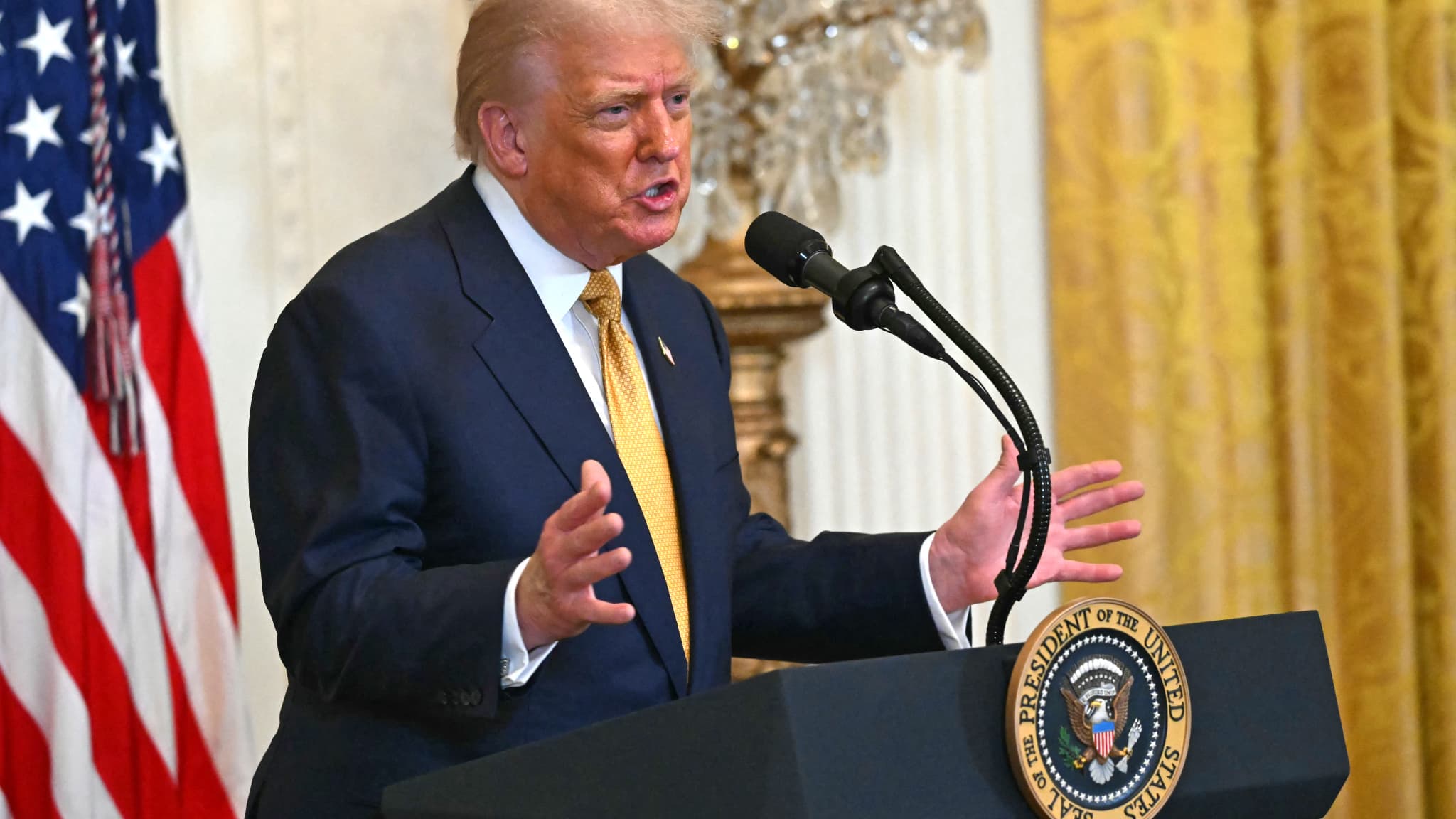
Political fallout is mounting as the economic reality sets in. A recent Reuters/Ipsos poll places President Trump’s approval rating at a record low of 33%, with 71% of the public disapproving of his management of the cost of living. As the midterm elections loom, the administration’s focus on military expansion faces a public increasingly wary of trade-offs that prioritize defense spending over domestic priorities like childcare, Medicaid, and the Affordable Care Act.

Comments (0)
No comments yet. Be the first!