
These all-electric pods, which accommodate up to four riders, operate under strict regulatory constraints. The National Highway Traffic Safety Administration has authorized Zoox to deploy a fleet of 5,000 vehicles, provided they remain on roads where speed limits do not exceed 45 mph. For early adopters like retired electrical engineer Med Trimidal, the experience of being whisked through traffic by an unseen hand feels less like a commute and more like living inside a science fiction narrative.
In section CEO World
Amazon’s Zoox Robotaxis Hit Public Roads in Landmark Shift
Stepping into a vehicle that resembles a motorized kitchen appliance, passengers in San Francisco and Las Vegas are encountering a transportation milestone: the first fully autonomous robotaxi designed without a steering wheel, pedals, or dashboard to navigate public streets, marking a definitive leap for Amazon-owned Zoox.
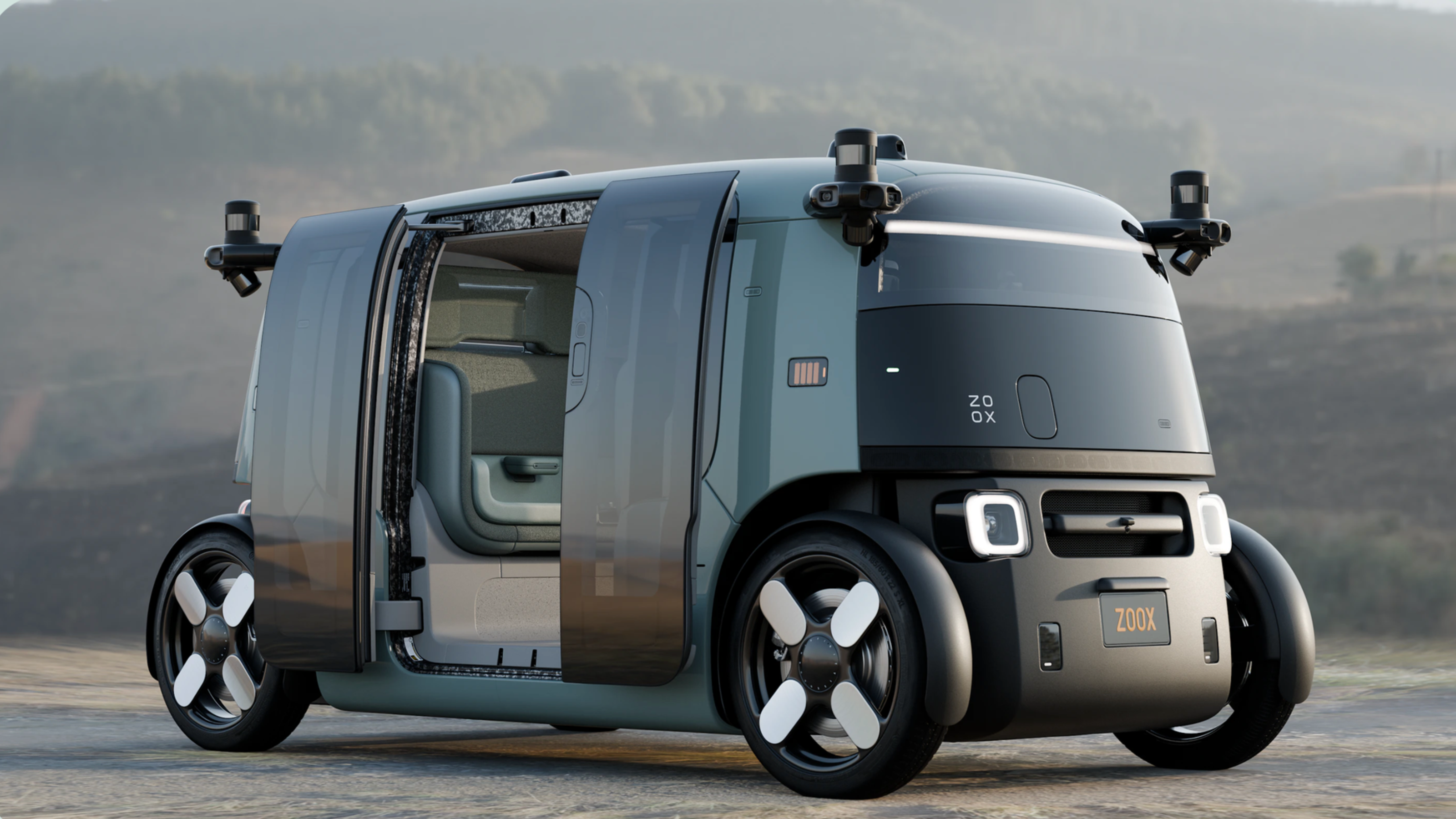
While the technology captures headlines, Amazon faces a crowded and aggressive landscape. Goldman Sachs anticipates the robotaxi sector will balloon to $19 billion by 2030, a sharp climb from last year’s $376 million valuation. To capture this market, Zoox must contend with Waymo, which currently operates a fleet of roughly 4,000 vehicles, and Tesla, which is pushing its Cybercab into volume production. Success will depend on whether this toaster-shaped entrant can translate its regulatory head start into a dominant share of the autonomous transit economy.
Comments (0)
No comments yet. Be the first!